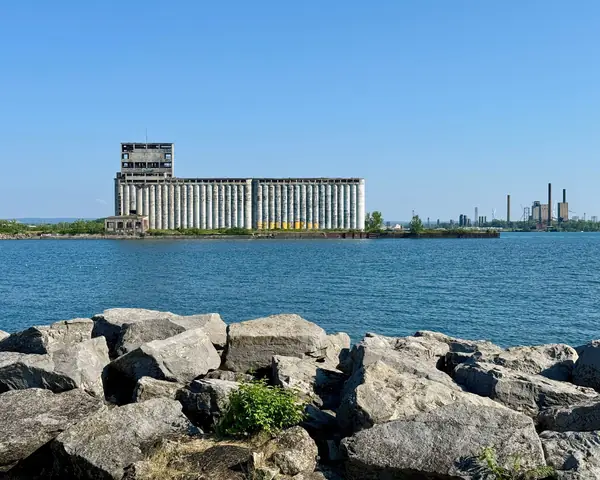
Buffalo, NY · Lake Erie
Buffalo mold remediation that follows New York’s mold law
A musty basement after the thaw, dark roof boards after an ice dam, a wall that stayed wet after a pipe let go. Tell us what you are seeing and an independent local mold company serving Erie County contacts you.
- Free to ask, no obligation
- Buffalo, the Northtowns and the Southtowns
- New York mold law in plain words
Tell us where the mold is
Two minutes of detail helps an independent Buffalo mold company call you back ready to talk it through.
Where it is growing
Pick the mold problem in front of you
Each guide covers what causes that problem in a Buffalo house, what the work involves and what New York’s mold law asks of the companies doing it.
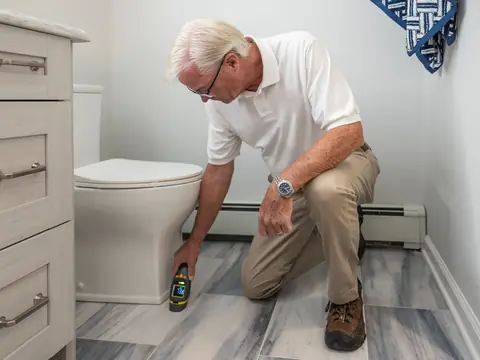
What a licensed New York mold assessor checks, and why they cannot also do the removal.
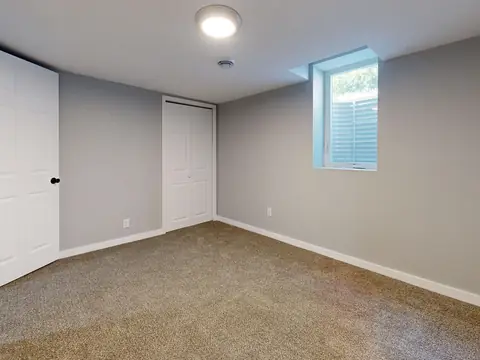
Block and stone walls, snowmelt, sump pits and finished rooms below grade.
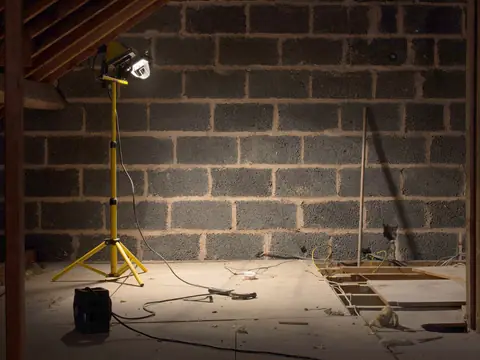
Ice dams, bath fans venting into the attic and frost on the roof deck.
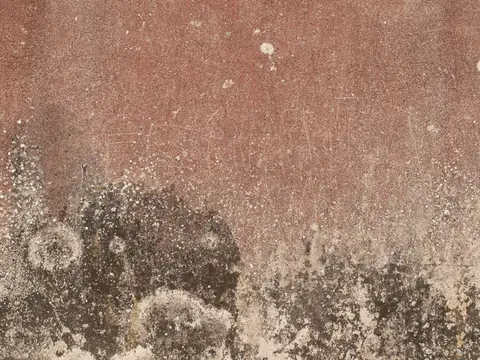
Color does not set the path. Size does: under or over 10 square feet.
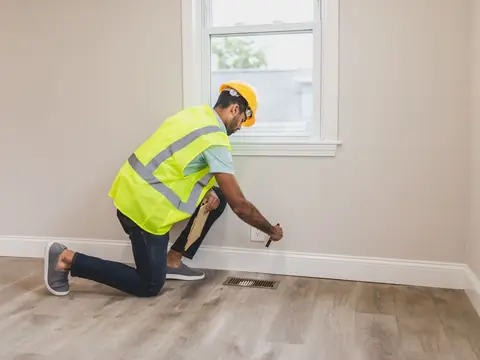
A frozen pipe or a flooded basement: the 24 to 48 hours that decide it.


How a proper job runs
Seven stages from the first look to the clearance report
This is the order the EPA’s remediation guide and New York’s minimum work standards point to. Ask any company to walk you through each one before you sign.

- 01
Assessment
A licensed mold assessor finds the water source and maps how far the growth goes.
- 02
Sampling, if useful
Air or surface samples only where they answer a real question about the house.
- 03
Containment
Plastic sheeting and negative air pressure keep the work area apart from the rooms you live in.
- 04
HEPA air scrubbing
Filtered air machines run inside the sealed area for the length of the job.
- 05
Removal
Drywall, insulation and carpet that cannot be cleaned are bagged and taken out.
- 06
Drying
Dehumidifiers and air movers run until the framing reads dry.
- 07
Clearance
A post-remediation assessment checks the work against the scope before rebuilding.

Why Buffalo
Snow off the lake, water in the house
Buffalo’s weather is the reason the same few mold problems come back to the same parts of a house, year after year.
About 95 inches of snow
Buffalo averages roughly 95 inches a year, one of the five snowiest large cities in the country. Every inch of it melts somewhere.
Lake-effect bands
Snow bands off Lake Erie can bury one part of the metro and spare the next, so roof loads and ice dams vary street to street.
A long snow season
City snow removal generally runs from November 15 to April 1. That is four and a half months of meltwater, ice and closed windows.
Muggy late summers
August is usually the rainier, muggier month, as the warmer lake stops cooling the city. Basements feel it first.
Storms that do real damage
The Snowvember storm of 2014 dropped over 66 inches on the region, and the October 2006 storm caused significant damage.
A licensing state
New York licenses mold assessors and remediators. Jobs over 10 square feet need both, and they must be separate companies.
Before any work starts, look up the companies on the New York State Department of Labor’s Licensed Mold Contractors search tool.

Sealed off first
The mold comes out behind plastic, under filtered air
Containment goes up before anything is cut or scraped, so the rest of the house stays out of the job.
New York law
Buffalo mold remediation is licensed work in New York
Most states leave mold work to whoever wants to advertise it. New York does not. Labor Law Article 32 (sections 930 to 948) licenses mold assessors, mold remediation contractors and mold abatement workers, and the Department of Labor’s Mold Program enforces it. For anyone looking for Buffalo mold remediation, that law sets the shape of the whole job, and knowing it is the quickest way to tell a careful company from a careless one.
Buffalo Mold Remediation is a free referral service, not a mold company. When you send the form, your request goes to an independent local mold remediation company serving Buffalo and Erie County, which contacts you, looks at the problem and quotes directly. Whether you hire them is up to you. This page explains how a lawful New York mold job runs, so the first conversation is a short one.
The law applies to a project covering more than 10 square feet of mold, which is the definition in Labor Law section 930. Below that size, the EPA says most homeowners can clean the area themselves. Above it, three rules matter more than anything else a contractor tells you:
- Licensed for the work. The NYS DOL says it is unlawful to do, advertise or hold yourself out as doing mold assessment or remediation without a valid license for that type of work. Owners working on their own property are the exception.
- Two separate companies. Section 936 bars one licensee from doing both the assessment and the remediation on the same property, and bars anyone from owning a stake in both.
- An independent scope and a final check. The DOL’s minimum work standards call for an independent mold assessment to define the remediation scope, a posted notice of the project and the contractor’s licenses, and a post-remediation assessment at the end.
In practice, the assessor inspects the house, finds where the water came from, measures how far the growth goes and defines what must be removed and how. A different licensed remediation contractor carries that scope out. The assessor, or another licensed assessor, then comes back to confirm the work matches it. The full walk through of that first visit is on the page about mold inspection in Buffalo.

Where it starts
The four places mold shows up in a Buffalo house
Mold needs moisture, and a Buffalo house collects it in predictable spots. The weather does most of the work: heavy lake-effect snow on the roof, a long melt every year, then a humid stretch at the end of summer. Find the place in this list that matches yours and start with that guide.
The basement
Snowmelt and spring rain soak the soil around block and stone foundation walls, and water finds the joints. A sump that stops working, a window well full of slush or a downspout that dumps beside the wall can keep a basement damp for weeks. Finished basements hide the problem behind drywall and carpet. The guide to basement mold removal in Buffalo covers what comes out, what can be cleaned and the humidity targets that keep it from coming back.
The attic
Warm air leaking up from the house melts the underside of the snow on the roof. The water runs down to the cold eave, freezes and builds an ice dam, and the next melt backs up under the shingles onto the roof boards. Bathroom fans that blow into the attic instead of outside add more moisture. The guide to attic mold removal in Buffalo follows that chain link by link, with the fix for each.
Walls and ceilings after a leak
A pipe that freezes in an outside wall, a radiator line that splits, a dishwasher that leaks for a week before anyone notices. The EPA says wet materials dried within 24 to 48 hours usually do not grow mold, so those first two days decide whether a leak becomes a mold job. The guide to water damage and mold in Buffalo has the step list for those 48 hours.
Bathrooms and closed-up rooms
Months with the windows shut keep shower steam, cooking and drying laundry inside. The EPA’s advice is plain: run the bath fan or open a window when showering, vent the dryer outdoors and keep indoor humidity below 60 percent, ideally 30 to 50. Mold that keeps returning in one corner of a bathroom is usually a ventilation problem first.
Size, not color
Black mold and the 10 square foot line
People search for black mold more than any other kind, and the word does a lot of scaring. The CDC’s position is calmer: mold can look like spots of many colors, color does not tell you the type, and whatever its color, mold in a house should be removed and the moisture fixed. What decides how the job runs in New York is how big it is, not what shade it is. The guide to black mold removal in Buffalo has the full size path with the statute line behind each step.
| How much mold | Who usually does it | What New York asks |
|---|---|---|
| Under about 10 sq ft (roughly 3 ft by 3 ft) | Usually the homeowner, following EPA cleanup tips | No mold license needed for a small job |
| Over 10 sq ft | A licensed remediation contractor | An independent licensed assessor defines the scope first |
| Any size, from sewage or dirty water | A professional with contaminated water experience (EPA) | License rules apply once the area passes 10 sq ft |
| Any size, in the heating or air system | A professional; do not run the system (EPA) | Assessor and remediator stay separate |
The CDC also says that for some people mold can cause a stuffy nose, sore throat, coughing or wheezing, burning eyes or a skin rash, and that people with asthma or a mold allergy may react more severely. If anyone in the house has health concerns, the EPA says to talk with a health professional before starting any cleanup yourself.
Before anyone arrives
What you can do today without making it worse
You do not need to wait for a company to start helping the house. These steps come straight from the EPA’s guidance and none of them disturbs the mold itself.
- Stop the water. Shut the valve on a leaking line, clear a blocked downspout, get a sump running again.
- Photograph everything: the stain, the wet floor, the water line on the wall, the damaged boxes. Insurers and assessors both ask for it.
- Dry what is wet. Fans and a dehumidifier help, as long as nothing is blowing across visible mold.
- Keep the heating and air system off if you think mold is in it. The EPA says running a contaminated system can spread mold through the building.
- Do not paint or caulk over mold. The EPA says paint over a moldy surface is likely to peel, and the mold is still there.
- Keep people with asthma or breathing problems out of the affected room.
Bleach is not the fix
The EPA does not recommend biocides such as chlorine bleach as a routine part of mold cleanup. Drying the area and fixing the water source is what keeps mold from coming back.

Check before you hire
Five questions to ask any mold company in Erie County
The company that contacts you through this site is independent, so check them the way you would check anyone you found on your own. New York makes that easier than most states, because the licenses are public.
- Which license do you hold, and under what name? Then look the company up on the DOL’s Licensed Mold Contractors search tool.
- Who is the independent assessor on this job? If the answer is the same company, that is not allowed on the same property under section 936.
- Will you work to the assessor’s scope, and show me where it says what comes out?
- Where will the posted notice and the license copies go while the job runs?
- Who does the post-remediation assessment, and will I get the result in writing?
If something goes wrong, the DOL takes complaints through a Mold Complaint Form on its Mold Program page, and an inspector from the district serving your county follows up. Erie County is in the DOL’s Buffalo District.
A lawful New York mold job includes
- A licensed mold assessor’s inspection
- An independent scope of the work
- A separate licensed remediation contractor
- Posted notice and license copies on site
- Containment and HEPA air scrubbing
- Removal, cleaning and drying
- A post-remediation assessment
Questions
What Buffalo homeowners ask before a mold job
Short answers here. The guides above go further, and the company that contacts you can speak to your house.
Is Buffalo Mold Remediation a mold company?
No. It is a free referral service. Your request goes to an independent local mold remediation company serving Buffalo and Erie County, which contacts you and quotes any work directly. Whether you hire them is your decision.
Does New York require a license for mold work?
Yes, for projects covering more than 10 square feet. Labor Law Article 32 licenses mold assessors, remediation contractors and abatement workers. Owners working on their own property are exempt.
Can the company that inspects the mold also remove it?
Not on the same property. Labor Law section 936 bars one licensee from doing both the assessment and the remediation, and bars anyone from owning an interest in both companies.
Can I clean a small patch myself?
The EPA says that for an area under about 10 square feet, roughly 3 feet by 3 feet, most homeowners can handle it. Fix the water first, scrub hard surfaces with detergent and water, and dry everything completely.
Do I need a mold test?
Often not. The CDC does not recommend routine mold testing, and if you can see mold it should simply be removed. Testing helps when the question is where unseen mold is, or whether a finished job passed.
How do I check a company’s license?
Use the New York State Department of Labor’s Licensed Mold Contractors search tool, linked from its Mold Program page. Search the business name you will see on the contract.
What is a post-remediation assessment?
It is the check at the end of a licensed job, required by the DOL’s minimum work standards, that confirms the work met the scope before walls are closed up and rebuilt.
Does it cost anything to send a request?
No. Sending the form is free and does not commit you to anything. The company that contacts you quotes its own price.
Seeing mold in a Buffalo house? Put a licensed local company on it.
One short request. An independent mold company serving Buffalo and Erie County contacts you to talk through what you are seeing.